
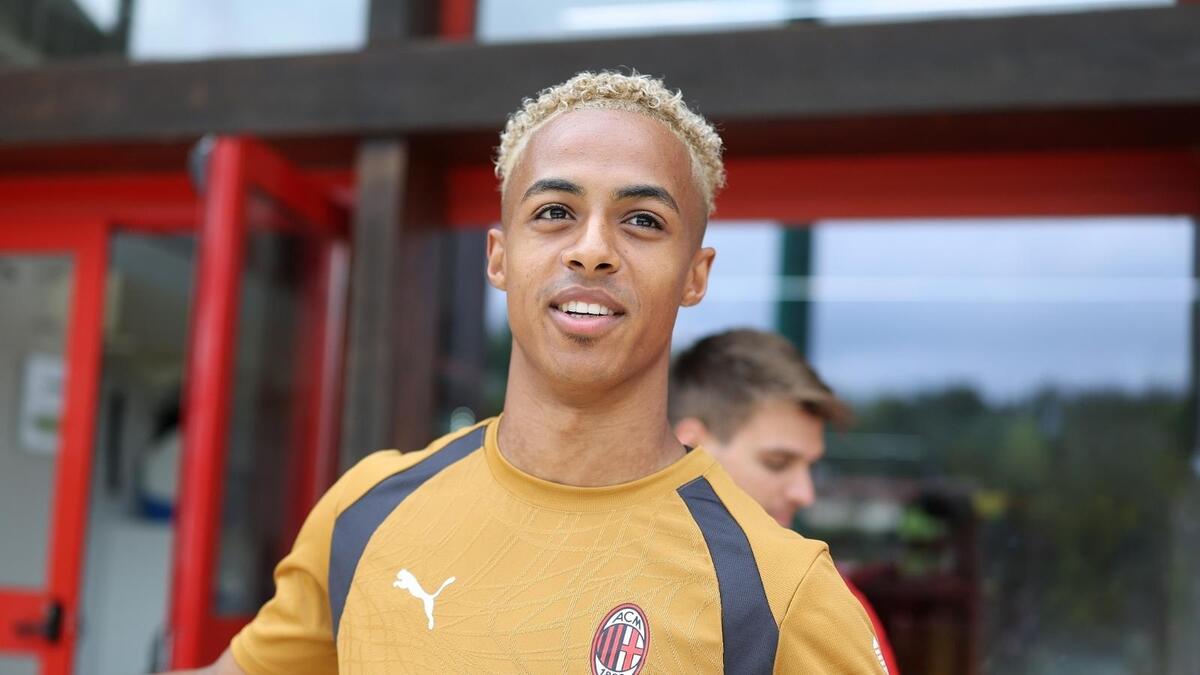
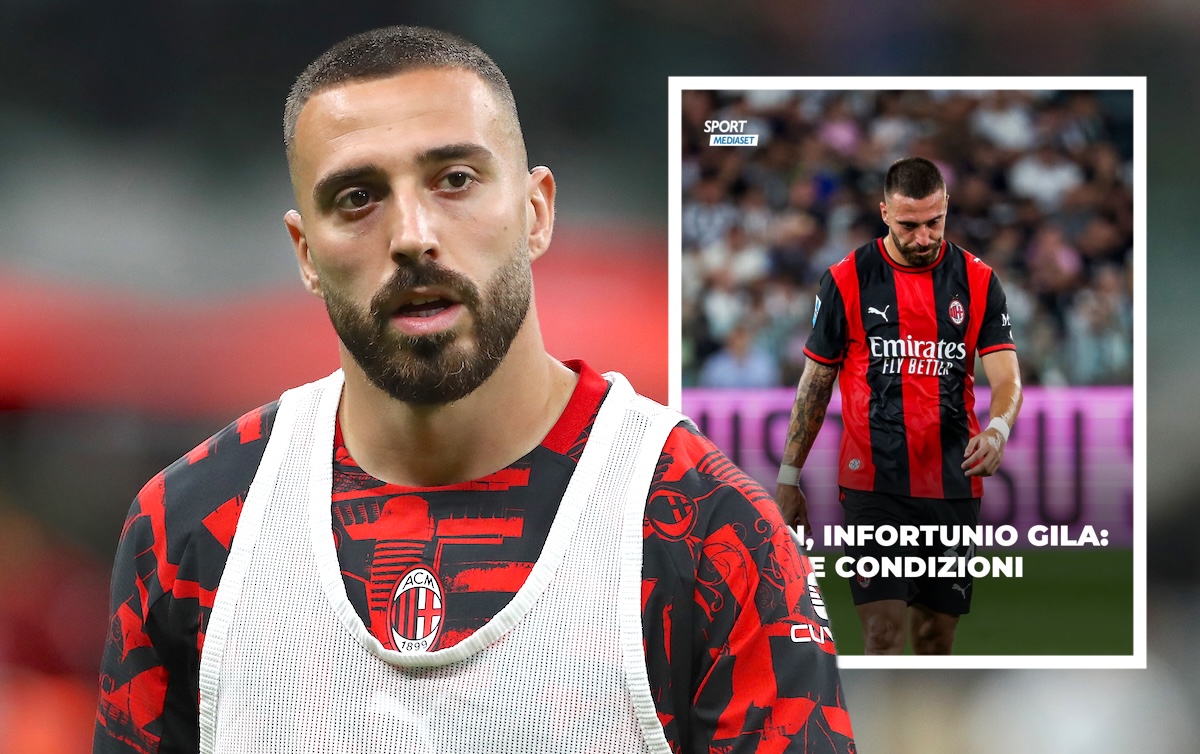
Tomori, Fofana, Odogu, Nkunku and others have been excluded from the team. The new coach has finally made some tough decisions, perhaps late but necessary, to rebuild the team. The list of excluded players from the trip to Manchester United tells more than just a simple call-up, it tells the beginning of a revolution. Tomori, Fofana, Odogu and Nkunku are among the names that are no longer part of the project. They are joined by Terracciano, Gimenez and Estupiñán, while Leao's position is more particular and deserves a separate discussion.
**Finally someone has had the courage to decide**. The Milan team needed this. For too long, the squad seemed like a container where players were accumulated without a real hierarchy, with overcrowded departments and players who did not seem to have a precise position. Amorim has chosen a different path: first understand who is needed, then build around those players. It is an elementary principle, but fundamental. A coach cannot pretend to give identity to a team if he has to manage a huge squad, full of elements that he does not consider functional to his football.
**The problem is that the revolution comes late**. And this is where the main question arises. Why wait until August? The Milan team should have faced this situation much earlier. A squad to be thinned out cannot be fixed in a few days, especially when you have to find buyers, negotiate salaries, formulas and valuations. Now the company finds itself having to manage exits and purchases at the same time, with the risk of arriving at the last weeks of the market under pressure. Amorim's work is therefore positive, but late. The Portuguese has probably simply photographed a situation that already existed.
**Nkunku and Gimenez, the cases that make the most noise**. Among the excluded players are two particularly significant names: Nkunku and Gimenez. The first is clearly out of the plans and Milan is willing to consider even a loan to find a solution. The second represents a much more delicate case, considering the investment made by the club. But this just shows that Amorim does not seem to want to be conditioned by the price paid or the name on the shirt. If a player is not functional to the project, he is questioned. Period.
**Now it's up to the company**. The real risk is that the revolution remains just a list of excluded players. Amorim has done his part by indicating who he does not consider indispensable. Now Milan and the management must turn those indications into concrete operations. Sell, find loans, free up salary space and reinvest in the characteristics required by the coach. Because the meaning of the revolution cannot be simply to send someone away. It must be to build something new. Amorim has given the first order: clean up. It came late, but perhaps that's why it became even more necessary. Now we'll see if Milan will have the strength to follow him to the end.


Comments
Join the conversation
Pick your avatar
We'll email you only if someone replies. Your address is never shown.
Loading comments…